Who We Help
Neurospark Counseling provides specialized, neuro-informed counseling for people whose lives have been changed by brain injury, concussion, stroke, brain tumor, and other neurological conditions.We work with survivors, families, caregivers, and healthcare professionals across Connecticut through secure telehealth. The diagnosis may belong to one person. The impact belongs to the whole system around them. If you are trying to rebuild after injury, support someone you love, or keep doing this work without burning out, you are in the right place.

Brain injury and concussion survivors
We help adults living with:
Traumatic brain injury (mild, moderate, or severe)
Concussion and post-concussion syndrome
Acquired brain injury
Hypoxic or anoxic brain injury
Neurological illness that affects mood, identity, or relationships
Recovery is more than medical appointments. Many survivors are also facing grief for the life they had, changes in personality or energy, irritability, anxiety, depression, trauma from the event itself, and strain in work or family roles. Counseling can help you understand what has changed, process what happened, and build a life that still feels like yours.

Stroke survivors
A stroke can rearrange speech, movement, thinking, confidence, and relationships overnight.
We support adults adjusting to:
Emotional and identity changes after stroke
Anxiety, depression, and grief
Frustration with rehab, communication, or independence
Relationship and role shifts at home
Fear of another stroke
You do not have to wait until “physical rehab is done” to get emotional support. Those two recoveries happen together.

Brain tumor patients, survivors, and families
A brain tumor diagnosis can bring fear, uncertainty, treatment decisions, surgery recovery, survivorship, or worry about recurrence.
We work with adults facing:
Primary or metastatic brain tumors
Benign or malignant tumors
Glioblastoma, meningioma, acoustic neuroma, pituitary tumors, and related conditions
Surgery, treatment, and recovery
Survivorship and recurrence concerns
We also support partners, parents, adult children, and other family members walking this path with you.

Families and loved ones
Neurological injury does not stay inside one person’s medical chart.
We help family members who are:
Learning a new version of their relationship
Managing communication changes or personality shifts
Balancing hope with grief
Navigating hospitals, rehab, and home
Trying to stay connected without losing themselves
Family sessions are available when they would help the whole household move forward more clearly.

Caregivers
Caring for someone after brain injury, stroke, or brain tumor is often invisible labor. It can include burnout, compassion fatigue, anxiety, isolation, resentment you do not want to feel, and grief for the relationship that used to be.
We work with:
Spouses and partners
Parents
Adult children
Siblings
Other family caregivers
The goal is not to take you away from the person you love. It is to help you stay well enough to keep going — with boundaries, support, and a self that still exists outside the caregiver role.
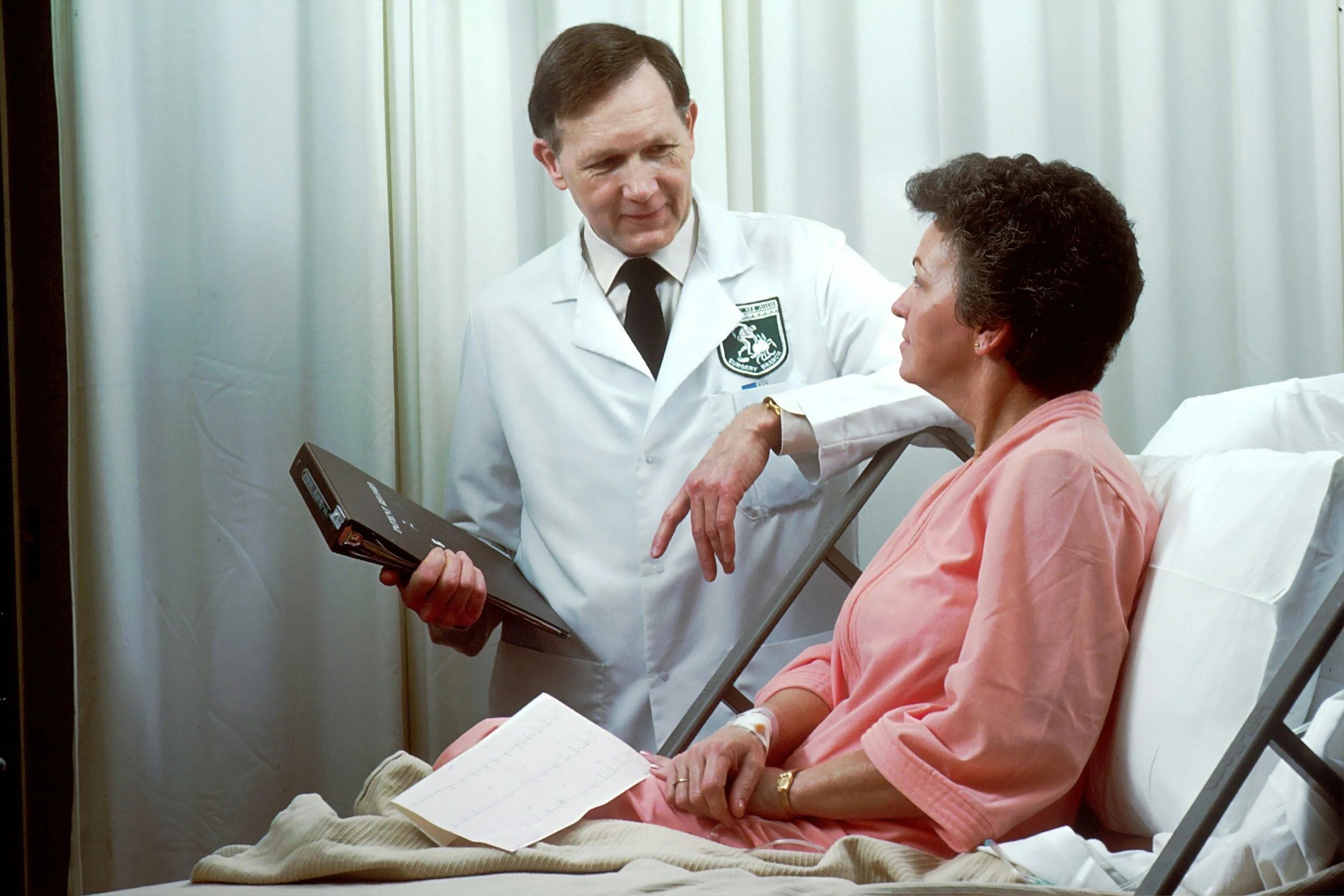
Healthcare professionals
We also counsel clinicians and rehab professionals who support people with neurological conditions, including:
Physicians, NPs, PAs, and nurses
OT, PT, and speech-language pathologists
Neuropsychologists, psychologists, and social workers
Case managers, care coordinators, and rehab staff
Home health and hospice professionals
This work can hold trauma, grief, moral stress, and long relationships with patients and families. You deserve a confidential place to put that down.
What we treat alongside the diagnosis
People come to Neurospark for the neurological story and for what it stirs up:
Trauma and PTSD
Grief and ambiguous loss
Anxiety and panic
Depression and loss of motivation
Adjustment to disability or a new identity
Relationship conflict
Caregiver burnout
Stress from rehab, work, or medical systems
Care is individualized and may include person-centered therapy, EMDR, hypnosis, grief counseling, mindfulness-based work, and other trauma-informed, neuro-informed approaches.
Who this practice is built for
Neurospark Counseling is a good fit if you want a clinician who already understands brain injury, stroke, and brain tumor — not a general therapist who needs the basics explained first.Services are private pay and offered statewide in Connecticut by secure telehealth, led by Jamie Arber, LPC, CBIS-T, CCH, CAGCS.
Ready to talk?
If you or someone you love is living with the aftermath of a neurological injury or diagnosis, we can help you take the next step. Contact Neurospark Counseling at 203-706-6632