
Connecticut Stroke Resources
Support for Survivors, Spouses, and Caregivers
A stroke changes life instantly—for the survivor and for the spouse who steps into a caregiving role overnight. The medical system focuses on survival and rehabilitation, but many spouses are left trying to manage everything else: decisions, stress, and the day-to-day reality of care.
If you’re in Connecticut, these stroke resources can help you access care, understand what to expect, and build a more stable path forward.
At NeuroSpark Counseling, we believe caregivers need support too—not just to get through this, but to sustain it.
Statewide Stroke Support and Education
American Stroke Association
The American Stroke Association is one of the most trusted sources for stroke education and recovery support.
They provide:
Stroke recovery guidance and education
Caregiver support tools and resources
Community programs and connections
This is one of the best starting points after a stroke diagnosis.
Connecticut Department of Public Health
The Connecticut Department of Public Health supports stroke awareness, prevention, and community health programs.
They offer:
Public health education and stroke prevention initiatives
Access to local health resources
Community-based support information
Stroke Rehabilitation and Medical Care in Connecticut
Yale New Haven Health Stroke Center
A leading comprehensive stroke care system in Connecticut providing advanced treatment and recovery services.
They offer:
Emergency stroke intervention and acute care
Inpatient and outpatient stroke rehabilitation
Ongoing neurological and recovery support
Hartford HealthCare Rehabilitation Network
Provides stroke recovery services across multiple locations in Connecticut.
Services include:
Neurological rehabilitation
Cognitive, physical, and speech therapy
Outpatient stroke recovery programs
Gaylord Specialty Healthcare
A nationally recognized provider of neurological and stroke rehabilitation.
They offer:
Intensive inpatient rehabilitation
Outpatient therapy services
Long-term recovery support


Advanced Neurobehavioral Stroke Care
Hospital for Special Care Neurobehavioral Unit
Provides specialized care for individuals experiencing cognitive, emotional, or behavioral changes after stroke.
Services include:
Structured neurobehavioral rehabilitation
Support for complex behavioral and personality changes
Interdisciplinary care teams
For many spouses, this level of care becomes relevant when recovery includes significant behavioral or safety challenges.
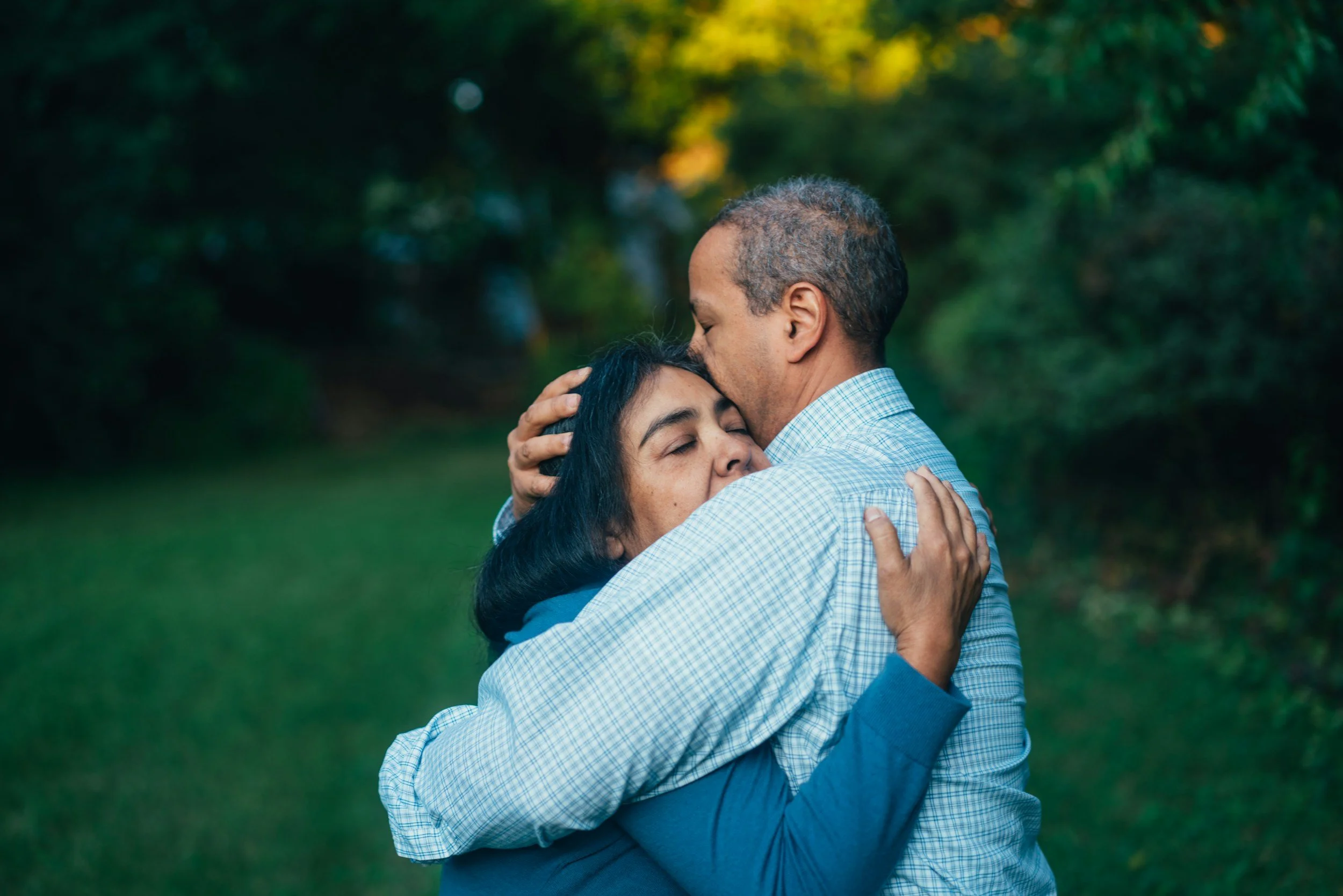
Stroke Support for Spouses and Caregivers
Caring for a partner after a stroke often becomes a full-time role—emotionally, physically, and mentally.
Many spouses experience:
Constant overwhelm and burnout
Role and identity changes within the relationship
Decision fatigue around care and recovery
Stroke Caregiver Support Groups
Support groups can help you:
Connect with other spouses and caregivers
Learn practical strategies from shared experience
Reduce isolation
Hospitals and rehabilitation systems across Connecticut regularly offer stroke support groups, both in-person and virtual.
Respite Care Services in Connecticut
Respite care provides temporary relief so you can step out of the caregiving role and recover your own energy.
This helps you:
Prevent long-term burnout
Maintain your own health
Sustain caregiving over time
Counseling for Stroke Caregivers
Stroke recovery doesn’t just affect the body—it reshapes relationships, routines, and identity.
At NeuroSpark Counseling, we specialize in helping spouses and caregivers:
Manage chronic stress and overwhelm
Navigate relationship changes after stroke
Set boundaries without guilt
Regain control of their time and energy
You don’t have to carry this alone.
When to Seek Support as a Caregiver
If you’re a spouse or caregiver, it may be time to reach out if you’re experiencing:
Ongoing exhaustion or burnout
Emotional overwhelm or disconnection
Difficulty managing caregiving responsibilities
Uncertainty about how to move forward
Support isn’t a last resort—it’s what makes long-term care sustainable.
Finding the Right Stroke Support in Connecticut
Every stroke recovery journey is different. The right combination of medical care, rehabilitation, and emotional support can create real stability—not just for the survivor, but for you.
If you’re looking for support as a spouse or caregiver, Neurospark Counseling is here to help you move from survival mode to something more steady and manageable.