Stroke Counseling in Connecticut

Stroke counseling in Connecticut
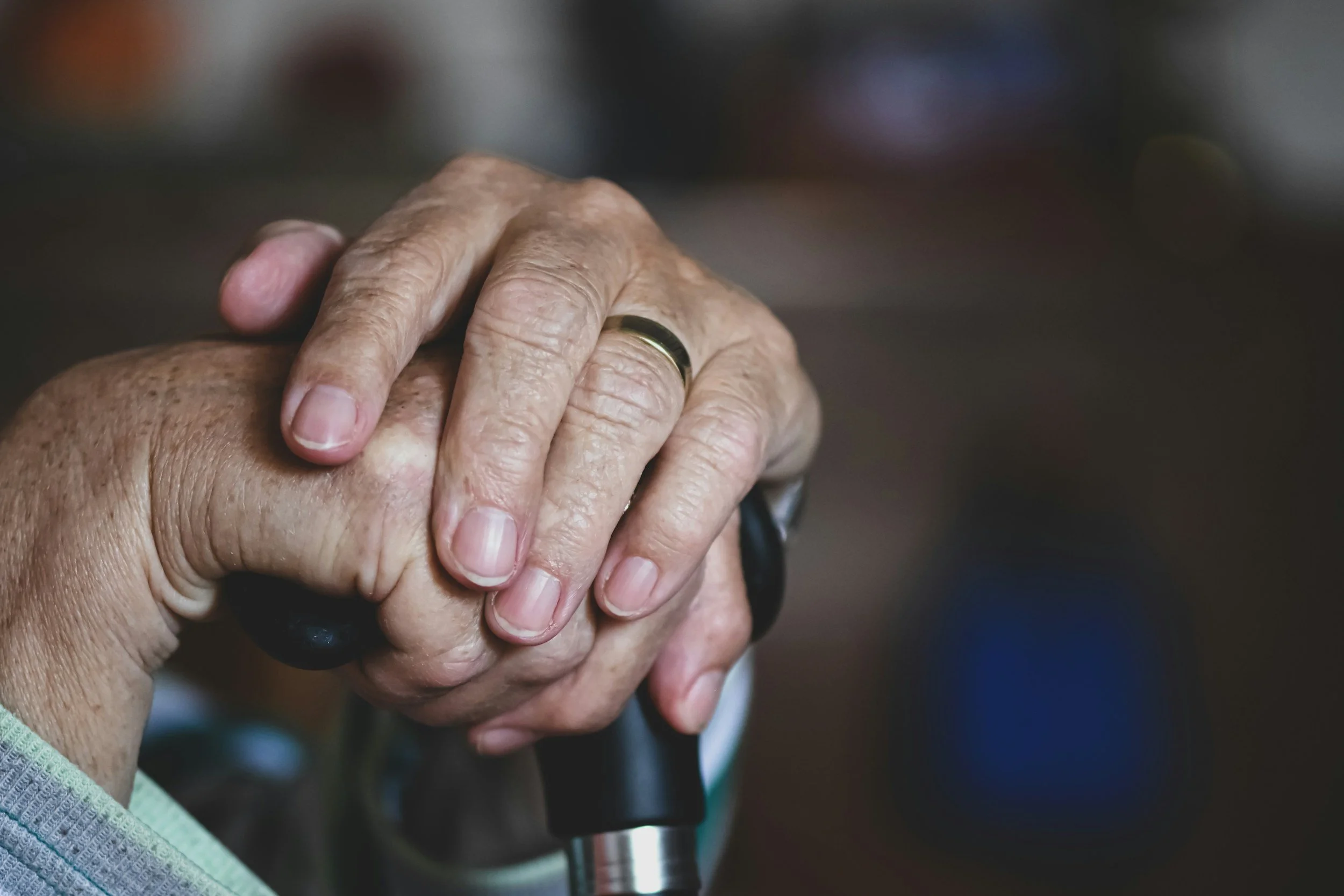
After a stroke, people often work hard on walking and talking. The quiet work is learning who you are now.
Who this page is for
Ischemic or hemorrhagic stroke
TIA that left fear even if function returned
Recurrent stroke
Partners and adult children living with the aftermath
What this often feels like
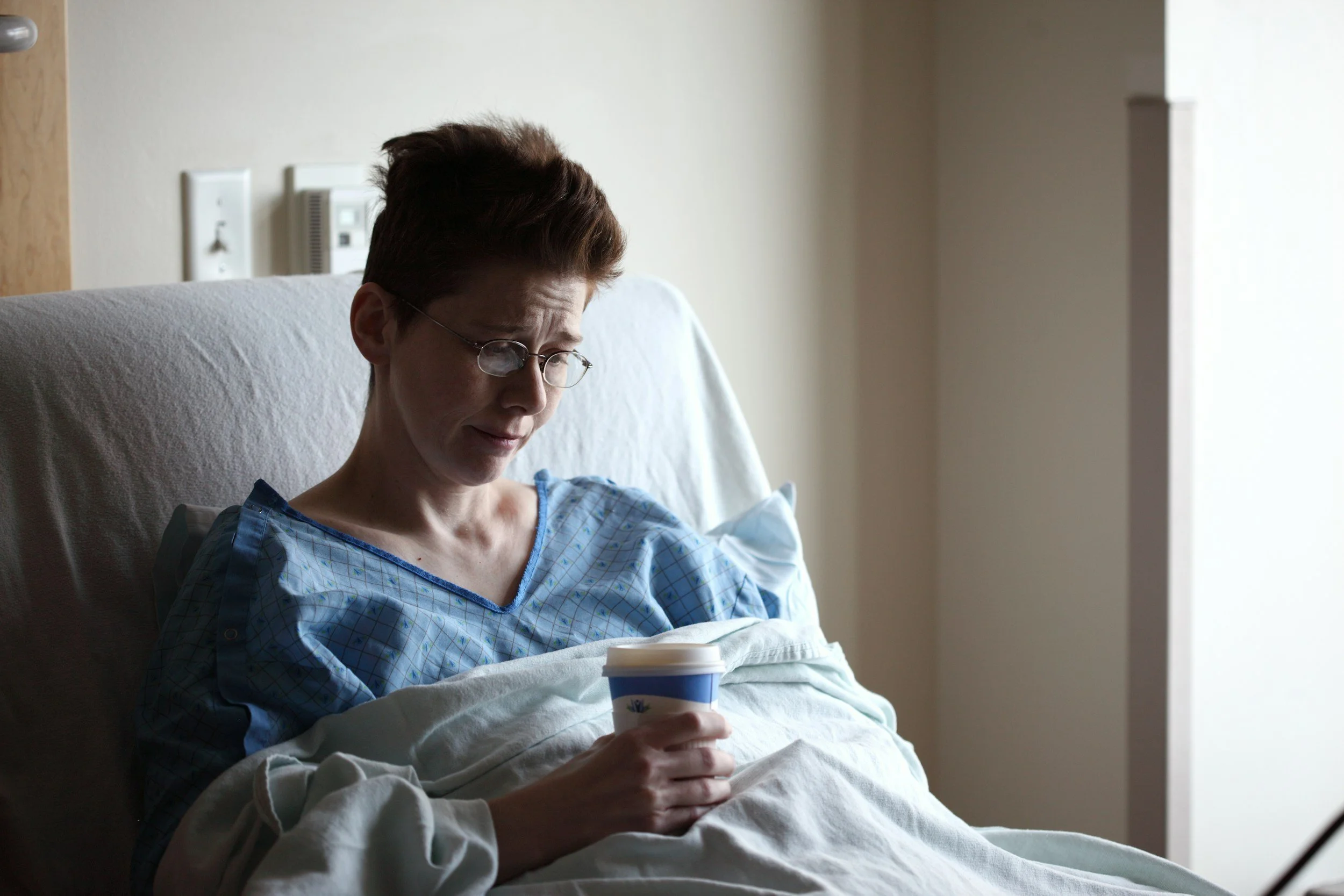
Depression that arrives after the hospital stage ends
Fear of another stroke, falling, or being a burden
Frustration when the mind is slower than the will
A job, hobby, or role that no longer fits
A marriage that suddenly has a nurse in it
Post-stroke depression and anxiety are common. They are treatable. They are not a personal failure.
What we work on
Mood and motivation
Fear and body vigilance
Identity after lost independence
Communication at home when words or patience run short
Return-to-work decisions that are emotional, not only vocational
Fatigue and the pressure to “be back to normal”
How sessions are adapted
We plan for fatigue, attention, and communication changes. Shorter bursts of conversation are fine. Family can join when speech or memory makes a solo session harder.
FAQs
Can counseling help after a stroke?
1
Yes, especially with depression, anxiety, grief, and family strain.
Is depression common after stroke?
2
Yes. It can be neurological, situational, or both. Counseling is one part of care and does not replace medical follow-up.
Can a family member attend?
3
Yes, when everyone agrees it would help.