
Caregiver Counseling After Brain Injury, Stroke, or Brain Tumor
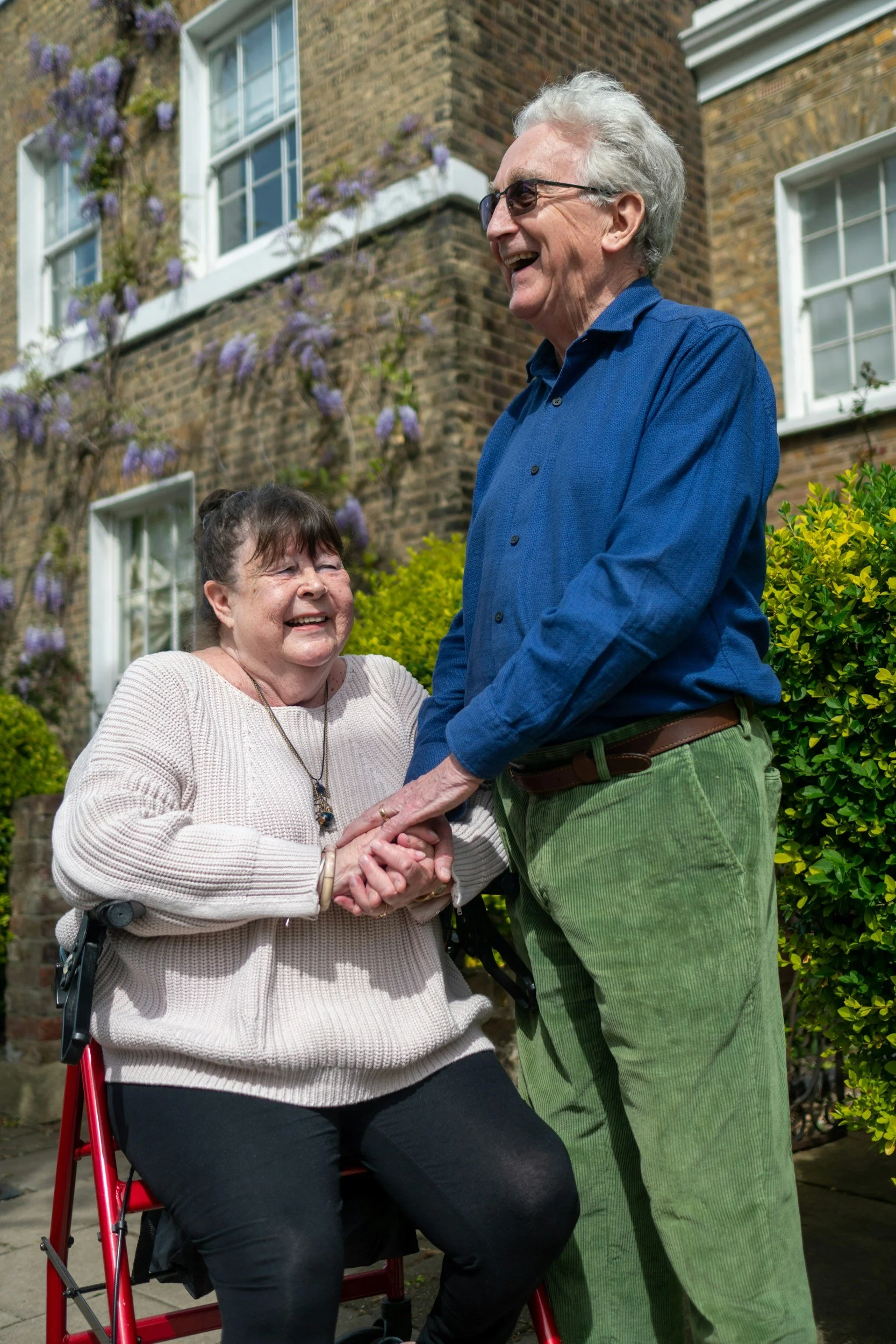
You can love them and still need an hour that is yours.
Caregiver counseling for families living with brain injury, concussion, stroke, or brain tumor.
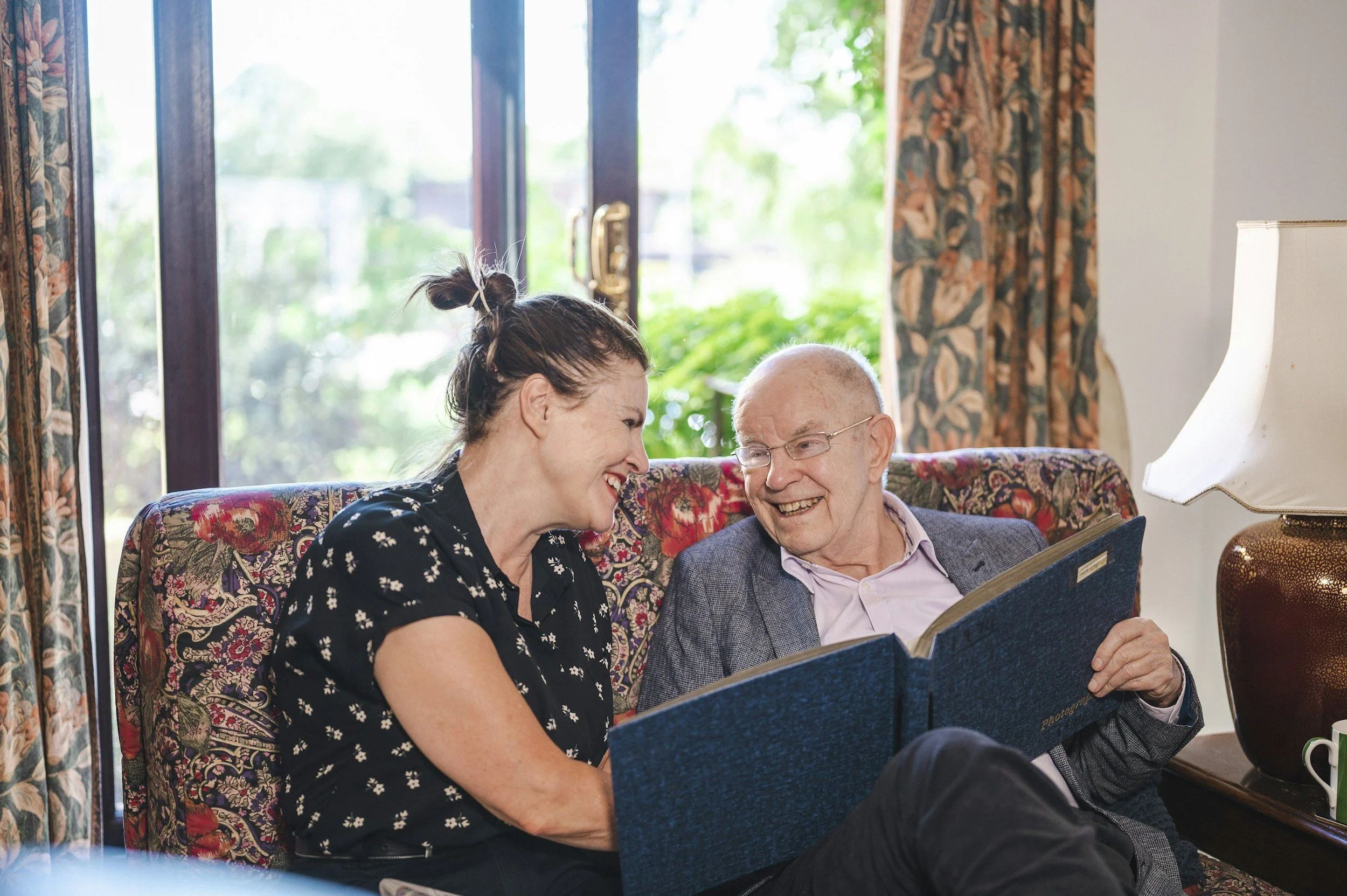
This page is for you if
You became a nurse, scheduler, and advocate overnight
You miss the person who is still in the house
You feel guilty the moment you rest
Friends stopped asking because they don’t know what to say
You are snapping, sleepless, or strangely numb
What we talk about
Burnout and compassion fatigue
Ambiguous grief — mourning a change while the person is alive
Role changes in a marriage or a parent-child relationship
Anger that feels forbidden
Boundaries with siblings who disappeared
How to stay a partner, not only a caregiver
You do not have to wait until they are in therapy
Your session is about your nervous system, your grief, and your life. Joint sessions are possible later if everyone wants them.
Practical
Telehealth is often easier than finding coverage at home. Early morning and scheduling windows can be discussed on the consult call.
FAQs
Is it normal to feel resentful?
1
Yes. Resentment is often exhaustion in a harsher outfit. We can look at it without turning you into the villain of the story.
Will you tell me I’m not doing enough?
2
No.