
Stroke Counseling in Connecticut
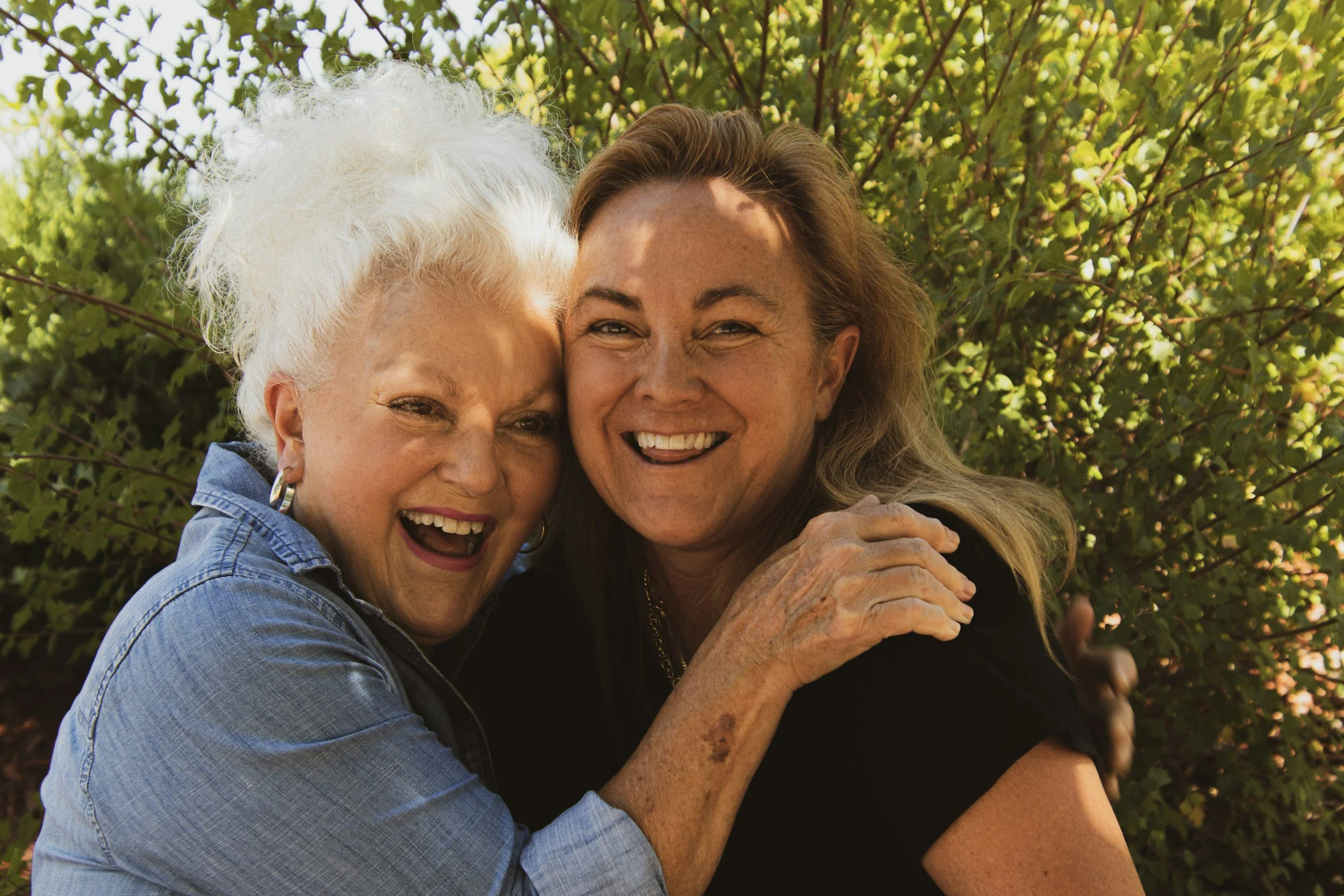
Supporting Emotional Recovery After Stroke
A stroke can change life in an instant. While rehabilitation often focuses on physical recovery, many stroke survivors also experience emotional, psychological, and relationship challenges that can be just as significant.
At Neurospark Counseling, we specialize in helping stroke survivors and their families navigate the emotional impact of stroke. Whether you are adjusting to changes in your abilities, coping with anxiety or depression, rebuilding confidence, or learning to navigate a new chapter of life, counseling can provide support, guidance, and hope throughout your recovery.
No matter where you are in your recovery journey, you do not have to face it alone.
Understanding Emotional Recovery After Stroke
Every stroke is unique, and every recovery journey looks different.
Some individuals recover quickly, while others continue adjusting months or years after their stroke. Even when physical recovery progresses well, emotional healing often takes longer.
Many survivors describe feeling overwhelmed by changes they never expected, including:
Feeling like a different person
Losing confidence
Fear of another stroke
Increased anxiety
Depression
Grief over lost abilities
Difficulty adjusting to changes in independence
Frustration with communication challenges
Relationship stress
Social isolation
These reactions are common and understandable. Emotional recovery is an important part of the rehabilitation process and deserves the same attention as physical healing.

Common Emotional Challenges After Stroke
-
Depression is one of the most common emotional changes following a stroke. Survivors may experience persistent sadness, loss of motivation, changes in sleep or appetite, feelings of hopelessness, or difficulty enjoying activities they once loved.
Depression is not a sign of weakness. It is a recognized part of stroke recovery for many individuals and can result from both neurological changes and the life adjustments that follow a stroke.
Counseling can help individuals understand these experiences, develop coping strategies, and reconnect with meaningful aspects of life.
-
Many stroke survivors experience ongoing worry about:
Having another stroke
Falling
Driving again
Returning to work
Losing independence
Future health problems
Living with uncertainty can feel exhausting. Therapy can help reduce anxiety while increasing confidence and resilience.
-
Many people say:
"I don't feel like myself anymore."
Stroke can affect more than movement or speech—it can change how people see themselves.
Individuals may struggle with:
Loss of independence
Changes in family roles
Early retirement
Changes in hobbies
Altered self-confidence
Feeling misunderstood
Counseling provides space to process these changes while helping individuals reconnect with their strengths and discover new possibilities.
-
Stroke affects entire families.
Partners often become caregivers.
Children may take on new responsibilities.
Family dynamics can shift dramatically.
Communication difficulties, emotional changes, and new caregiving responsibilities may create stress for everyone involved.
Counseling can help families:
Improve communication
Strengthen relationships
Set realistic expectations
Navigate changing roles
Reduce conflict
Support one another during recovery
Everything we do is built around understanding your needs and helping you succeed—because when you thrive, so do we.

Returning to Work After Stroke
For many survivors, returning to work represents more than employment—it represents independence, identity, and confidence.
However, concerns about cognitive changes, fatigue, communication, or workplace accommodations can create significant stress.
Therapy can help individuals:
Manage anxiety about returning to work
Build confidence
Problem-solve workplace challenges
Navigate changing career goals
Adjust expectations while maintaining purpose
Fatigue, Frustration, and Emotional Adjustment
Stroke recovery often includes invisible challenges that others cannot see.
These may include:
mental fatigue
slower thinking
reduced concentration
frustration
emotional sensitivity
difficulty managing stress
Many survivors feel pressure to "be back to normal," even though recovery is an ongoing process.
Counseling offers practical strategies for managing these challenges while reducing self-criticism and unrealistic expectations.
Counseling for Stroke Caregivers
Stroke affects the whole family.
Caregivers frequently experience:
chronic stress
burnout
grief
guilt
anxiety
loneliness
role changes
exhaustion
Supporting caregivers is essential because healthy caregivers are better able to support their loved ones.
Whether you're a spouse, adult child, parent, sibling, or close friend, counseling can help you care for yourself while caring for someone else.
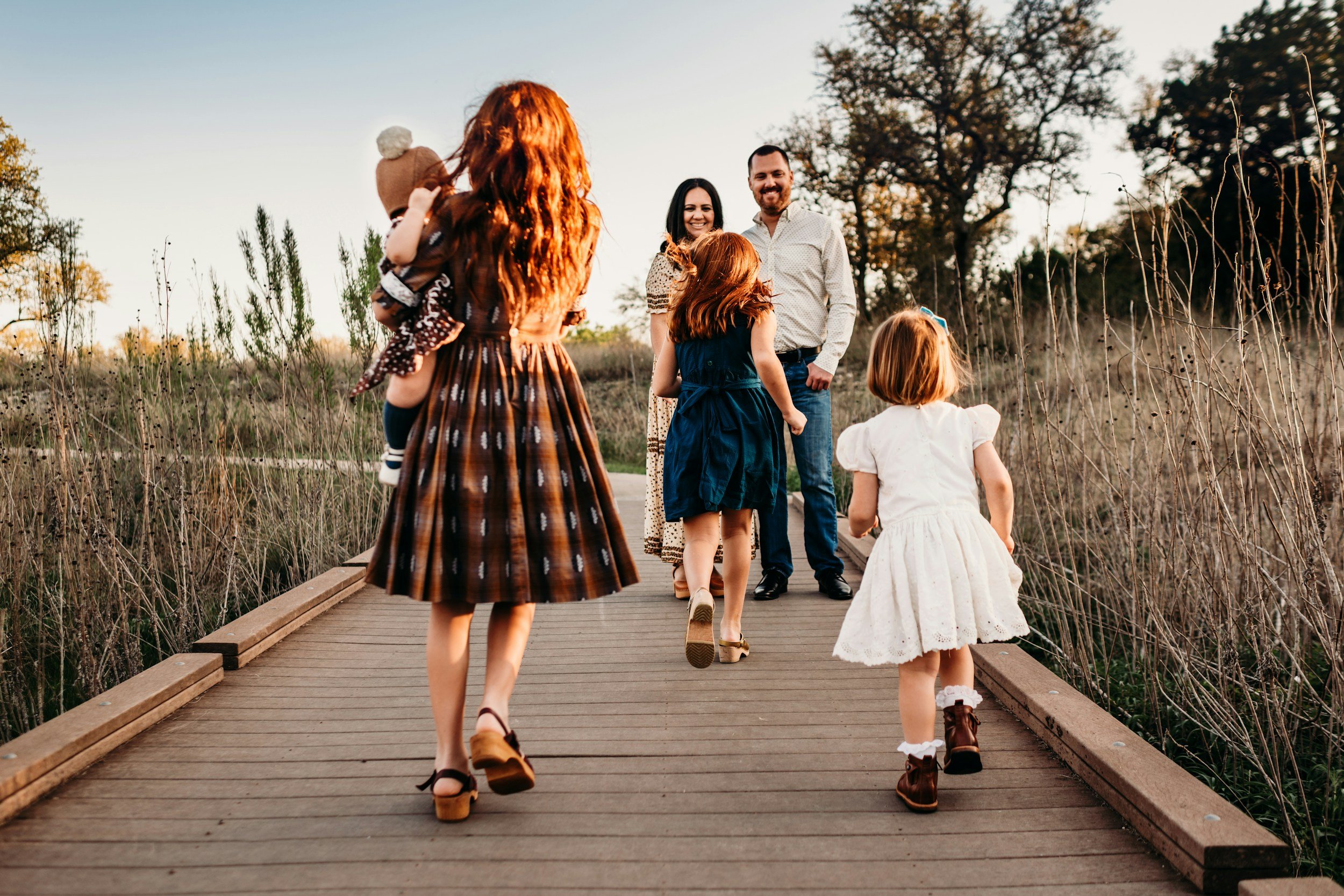
Our Approach to Stroke Counseling
At Neurospark Counseling, we understand that emotional recovery is deeply personal.
Our counseling approach is individualized and may incorporate evidence-based therapies such as:
person centered therapy
eye movement desensitization and reprocessing (EMDR)
hypnosis
mindfulness-based approaches
strengths-based counseling
cognitive behavioral supports
trauma-informed care
solution-focused therapy
supportive psychotherapy
Sessions are adapted to each client's needs, including considerations for fatigue, attention, processing speed, communication differences, and other neurological changes that may affect participation.

Who We Help
Neurospark Counseling provides support for adults experiencing:
ischemic stroke
hemorrhagic stroke
transient ischemic attack (TIA)
recurrent stroke
emotional adjustment following stroke
post-stroke depression
anxiety after stroke
caregiver stress related to stroke recovery
Frequently Asked Questions
Can counseling help after a stroke?
Yes. Counseling can help stroke survivors cope with depression, anxiety, grief, changes in identity, relationship challenges, and the emotional adjustments that often accompany stroke recovery. Emotional well-being is an important part of rehabilitation and overall quality of life.
Is depression common after stroke?
Depression is one of the most common emotional challenges following a stroke. Many survivors experience sadness, frustration, or loss of motivation during recovery. Counseling can help individuals understand these feelings and develop healthy coping strategies while supporting long-term emotional recovery.
Can family members attend therapy sessions?
Yes. Family members and caregivers are often an important part of recovery. Joint sessions can improve communication, strengthen relationships, and help families better understand the emotional and cognitive changes that may occur after a stroke.
Do you offer telehealth?
Yes. Telehealth counseling provides a convenient option for many stroke survivors who experience fatigue, mobility challenges, or transportation difficulties. During your consultation, we'll discuss whether virtual therapy is the best fit for your needs.
Why Choose Neurospark Counseling?
Recovery from stroke is about more than physical rehabilitation. Emotional healing, confidence, relationships, and resilience are equally important.
At NeuroSpark Counseling, we focus on the emotional and psychological aspects of neurological recovery, providing specialized support for stroke survivors and their families. We understand that no two recovery journeys are the same, and we tailor therapy to each person's goals, strengths, and unique experiences.
Our mission is to help clients move beyond simply adapting to life after stroke and toward building a life that feels meaningful, connected, and hopeful.
Ready to Take the Next Step?
You don't have to navigate stroke recovery alone.
Whether you're a stroke survivor adjusting to life's changes or a family member seeking support, NeuroSpark Counseling is here to help.
Contact Neurospark Counseling today to schedule a consultation and learn how specialized stroke counseling can support your recovery.