
Brain Tumor Counseling in Connecticut
Compassionate Support Through Every Stage of the Brain Tumor Journey
A brain tumor diagnosis can change every aspect of life. Whether you are newly diagnosed, undergoing treatment, recovering from surgery, living with a chronic condition, or adjusting to survivorship, the emotional impact can be overwhelming.
Many people experience fear, uncertainty, grief, anxiety, changes in identity, and concerns about the future. Family members and caregivers often face these challenges as well.
At NeuroSpark Counseling, we provide specialized counseling for individuals living with brain tumors and for the people who care about them. Our goal is to support emotional well-being alongside medical treatment, helping clients navigate life's challenges with greater resilience, confidence, and hope.
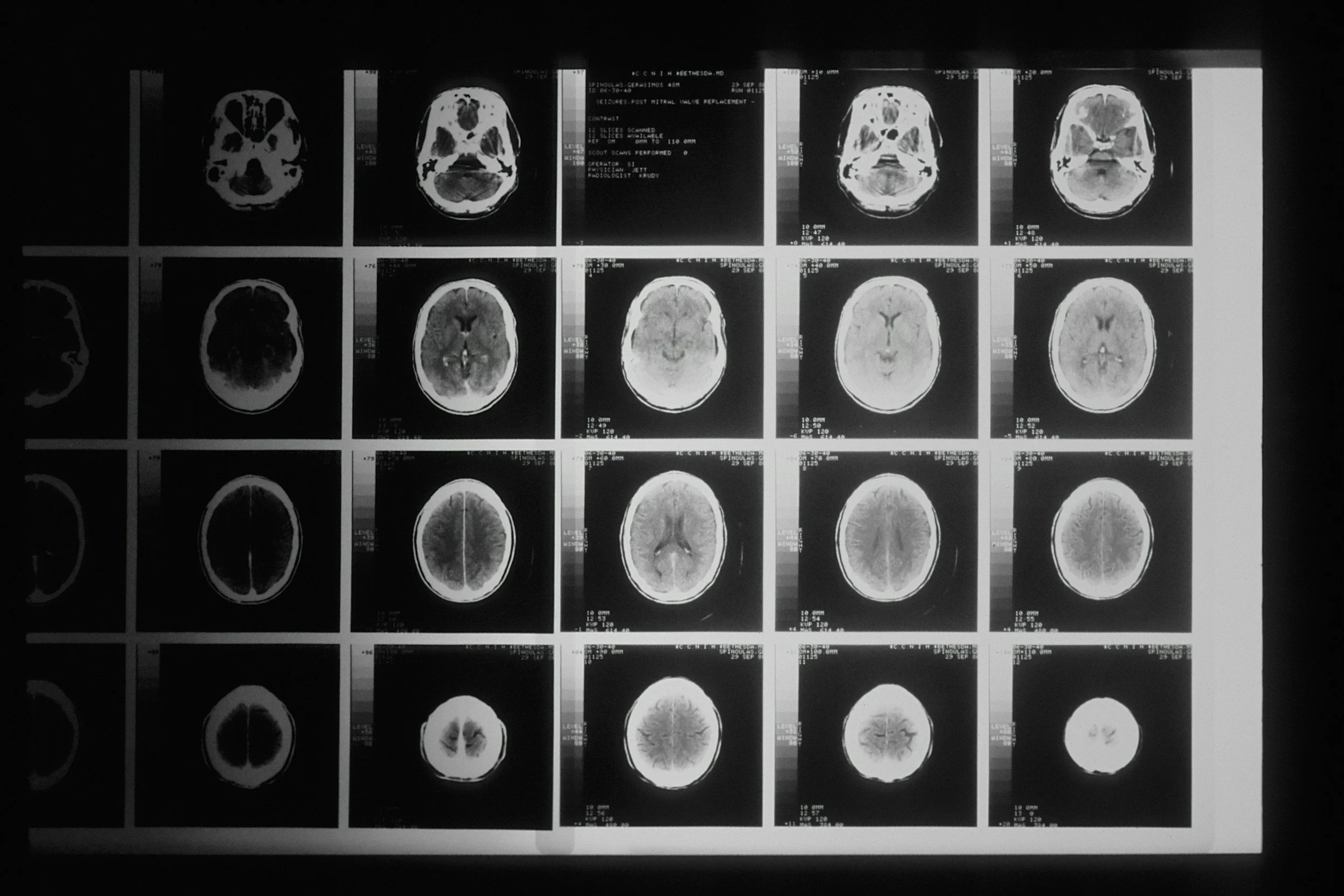
The Emotional Impact of a Brain Tumor
While medical care focuses on diagnosing and treating the tumor, emotional recovery is an essential part of healing.
A brain tumor can affect:
emotions
memory
concentration
communication
relationships
employment
independence
self-confidence
future plans
Many people find themselves grieving not only their diagnosis but also the uncertainty that comes with it.
These reactions are common and deserve compassionate, specialized support.

Common Emotional Challenges
Anxiety
Uncertainty often becomes part of everyday life after a brain tumor diagnosis.
People may worry about:
surgery
treatment
MRI results
recurrence
changes in functioning
finances
family responsibilities
the future
Counseling can help reduce anxiety while building practical coping strategies for living with uncertainty.
Depression and Grief
Brain tumor survivors often grieve many different losses.
These may include:
changes in health
career interruptions
altered independence
physical abilities
cognitive functioning
future expectations
Depression may also occur during treatment or recovery.
Therapy provides space to process these experiences while helping individuals reconnect with sources of meaning and hope.

Identity Changes
One of the most profound challenges is feeling like life has changed in unexpected ways.
Many people wonder:
"Who am I now?"
Counseling helps clients explore these questions while adapting to new circumstances without losing sight of their strengths and values.

Emotional Recovery After Brain Surgery
Recovering from brain surgery often involves more than physical healing.
Individuals may notice:
increased fatigue
emotional sensitivity
frustration
slower thinking
changes in attention
reduced confidence
These experiences can make returning to everyday activities difficult.
Counseling can help individuals adjust to these changes while developing realistic expectations and strategies for recovery.
Living With Uncertainty
Unlike many other medical conditions, brain tumors often involve ongoing monitoring through imaging and follow-up appointments.
Many survivors experience "scan anxiety" before MRI appointments or fear that symptoms may signal recurrence.
Therapy can help clients:
manage uncertainty
reduce health anxiety
tolerate waiting periods
focus on what they can control
maintain emotional well-being between appointments


Relationships and Family
A brain tumor diagnosis affects the entire family.
Partners, children, parents, siblings, and close friends often experience their own emotional challenges while trying to support a loved one.
Changes in communication, roles, responsibilities, and future plans can create stress within relationships.
Counseling provides opportunities to:
strengthen communication
improve understanding
process difficult emotions
navigate changing family roles
support healthy coping together

Counseling for Caregivers
Caregivers frequently put their own needs aside while supporting someone through treatment and recovery.
Many experience:
burnout
chronic stress
anxiety
anticipatory grief
exhaustion
feelings of helplessness
isolation
Caregivers deserve support too.
Individual counseling offers a confidential space to care for your own emotional health while continuing to care for someone you love.
Who We Help
Neurospark Counseling provides support for adults experiencing:
primary brain tumors
metastatic brain tumors
benign brain tumors
malignant brain tumors
glioblastoma
meningioma
acoustic neuroma
pituitary tumors
brain surgery recovery
survivorship
recurrence concerns
caregiver stress
Frequently Asked Questions
-
Yes. Counseling can help individuals cope with anxiety, depression, grief, uncertainty, identity changes, and relationship challenges throughout diagnosis, treatment, recovery, and survivorship.
-
Yes. Many individuals experience increased anxiety after brain surgery due to uncertainty, changes in functioning, follow-up imaging, and adjusting to recovery. Counseling provides practical strategies for managing these concerns while supporting emotional healing.
-
Absolutely. Brain tumors affect the entire family. Joint sessions can improve communication, strengthen relationships, and help families navigate the emotional challenges of treatment and recovery together.
-
Yes. Secure telehealth appointments are available for many clients throughout Connecticut, providing greater flexibility during treatment and recovery.
Why Choose Neurospark Counseling?
At Neurospark Counseling, we recognize that living with a brain tumor involves much more than managing medical appointments.
Our practice focuses on supporting the emotional, psychological, and relational aspects of neurological illness. We understand the unique challenges that brain tumor patients, survivors, and caregivers face, and we provide counseling that is compassionate, individualized, and grounded in evidence-based care.
Whether you are newly diagnosed, recovering from surgery, undergoing treatment, or adjusting to life after treatment, we are here to support you every step of the way.
Take the Next Step
A brain tumor diagnosis can leave you feeling uncertain, overwhelmed, or isolated—but you don't have to face those challenges alone.
Whether you're seeking support for yourself or someone you love, NeuroSpark Counseling offers specialized counseling to help you navigate the emotional journey with greater confidence and resilience.
Contact Neurospark Counseling today to schedule a consultation and learn how specialized counseling can support you or your family.