Why Choose Neurospark Counseling for Brain Injury, Stroke, and Neurological Recovery?
Living with a brain injury, concussion, stroke, or brain tumor can feel overwhelming and life-altering. These conditions don’t just affect cognitive function—they impact identity, relationships, independence, career, and emotional well-being. Across Connecticut, many individuals, families, and even healthcare professionals struggle to find counseling that truly understands the complex intersection of neurological change, trauma, and recovery. At Neurospark Counseling, we specialize in this space.
Neurospark provides expert, trauma-informed counseling designed specifically for individuals affected by traumatic brain injury (TBI), acquired brain injury (ABI), post-concussion syndrome, stroke, and brain tumor. We focus on the psychological and emotional recovery that is often overlooked in traditional medical and rehabilitation settings—helping clients process trauma, rebuild identity, strengthen relationships, and regain a sense of stability and control.
Why Survivors, Families, and Professionals Choose Neurospark:
Specialized Neurological Counseling — Expert support for brain injury, concussion, stroke, and brain tumor recovery, tailored to the cognitive and emotional realities of neurological conditions
Trauma-Informed Therapy — Integrating EMDR, hypnosis, and neuro-informed psychotherapy to support trauma processing, adjustment, and long-term recovery
Emotional and Psychological Healing — Targeted care for PTSD, anxiety, depression, grief, and identity disruption following neurological injury or illness
Caregiver and Family Support — Guidance for families navigating role changes, communication challenges, and the emotional impact of supporting a loved one
Healthcare and Rehabilitation Professional Support — Confidential counseling and consultation for providers experiencing burnout, compassion fatigue, secondary trauma, and the demands of high-stress clinical environments
Grief and Loss Counseling — Compassionate support for processing loss of function, independence, identity, and life roles after neurological change
Practical, Neuro-Informed Strategies — Tools to improve daily functioning, emotional regulation, resilience, and real-world adaptation
At Neurospark Counseling, we go beyond symptom management. Our work is centered on helping you reclaim your sense of self, rebuild confidence, and move forward with clarity and purpose. By combining advanced clinical expertise with a deep understanding of neurological recovery, we provide a level of specialized care rarely available in Connecticut.
If you or someone you love is navigating life after brain injury, concussion, stroke, or brain tumor—or if you are a caregiver or professional in need of support—you don’t have to do it alone. Neurospark Counseling offers compassionate, expert guidance to help you take the next step in recovery.
Contact Neurospark Counseling today to schedule a confidential consultation and begin your path forward.


Our Therapeutic Approach
At Neurospark Counseling, we specialize in the emotional recovery that follows brain injury, stroke, and brain tumors. Our evidence-based, trauma-informed approach is tailored to the unique cognitive, emotional, and psychological challenges experienced by individuals living with traumatic brain injury (TBI), acquired brain injury (ABI), mild traumatic brain injury (mTBI), stroke, and brain tumors. We also provide specialized counseling for family caregivers and healthcare professionals, recognizing that neurological conditions affect not only survivors, but everyone involved in their care.
Person-Centered EMDR Therapy
EMDR (Eye Movement Desensitization and Reprocessing) is one of the most effective therapies for trauma after brain injury. We use a specialized, brain-injury-adapted form of EMDR to gently process accident memories, medical trauma, and the profound grief of lost abilities. Clients often experience significant relief from PTSD symptoms, anxiety, emotional dysregulation, and sleep disturbances — while improving daily functioning and overall quality of life.
Hypnosis for Neurological Recovery
Hypnosis is a powerful tool for supporting brain healing and symptom management. We use targeted hypnotic techniques to promote deep relaxation, reduce chronic pain and fatigue, enhance cognitive clarity, and support neuroplasticity — the brain’s natural ability to rewire and heal. This approach is especially beneficial for rewiring unhelpful thought patterns, managing post-concussion symptoms, and accelerating emotional and physical recovery after TBI, stroke, or other neurological events.
Integrative, Person-Focused Counseling
We believe healing is deeply personal. That’s why every treatment plan is custom-designed around your story, cognitive profile, strengths, and goals. Rather than using a one-size-fits-all model, we integrate EMDR, hypnosis, and supportive counseling into a cohesive, compassionate journey that honors where you are — and where you want to be.
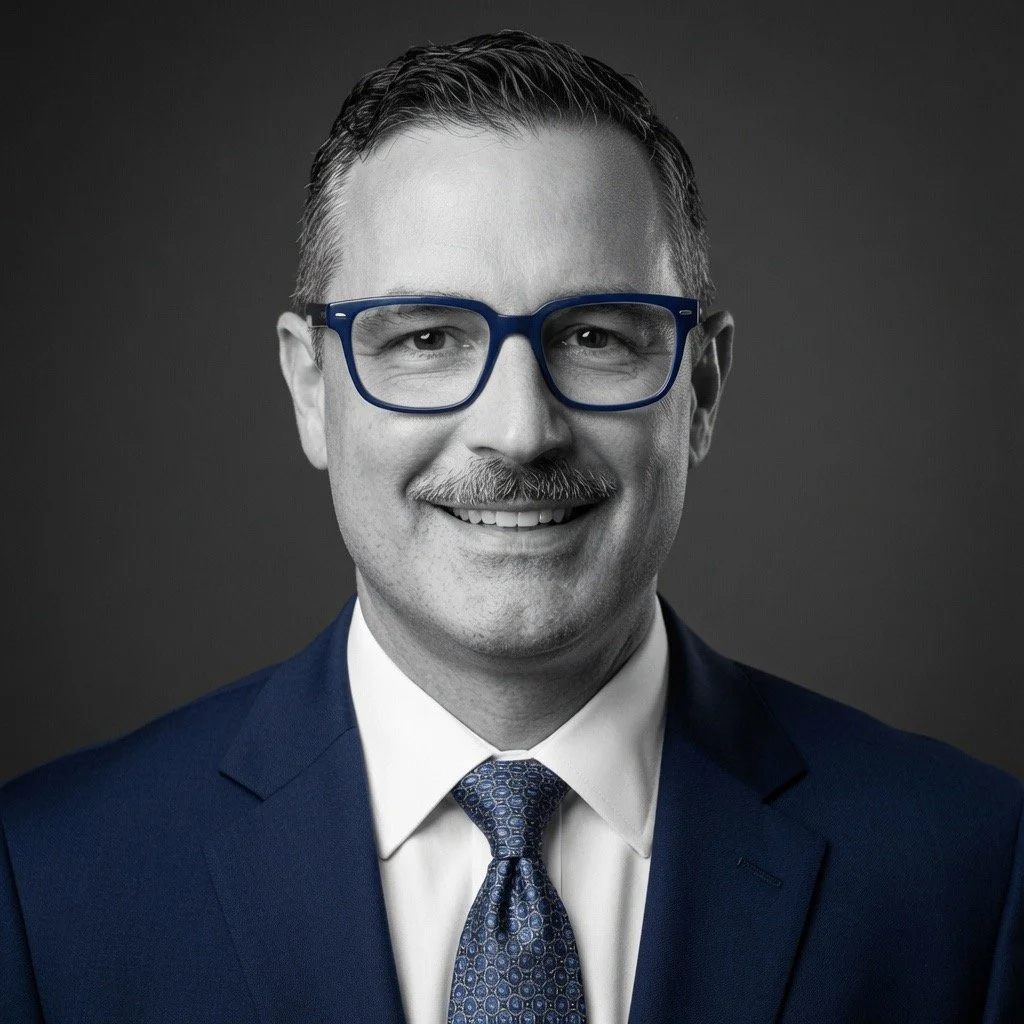
“My purpose is to restore hope, independence, and purpose for people living with brain injury and trauma by providing exceptional counseling, advancing my expertise, and advocating for those whose voices deserve to be heard. Through Neurospark Counseling, I strive to create lasting change - One person, one family, one healthcare professional, and one community at a time.”
Meet the Founder
Jamie Arber, LPC, CBIS-T, CAGCS, CCH
Licensed Professional Counselor
Certified Brain Injury Specialist – Trainer
Certified Advanced Grief Counseling Specialist
Certified Consulting Hypnotist
With more than 15 years dedicated exclusively to traumatic brain injury (TBI) and acquired brain injury rehabilitation, Jamie Arber is a nationally recognized specialist in the emotional and psychological recovery following brain injury.
Jamie has guided hundreds of survivors and their families through the profound challenges that arise after injury — including trauma processing, identity reconstruction, relationship changes, and the deep grief that accompanies loss of function and former life roles. His advanced training allows him to integrate brain injury expertise with powerful therapeutic modalities such as EMDR, clinical hypnosis, and advanced grief counseling.
He holds multiple prestigious certifications, including Certified Brain Injury Specialist – Trainer (CBIS-T), Certified Advanced Grief Counseling Specialist (CAGCS), and Certified Consulting Hypnotist (CCH). This rare combination of credentials enables him to address the full spectrum of challenges faced by brain injury survivors: neurological, emotional, and grief-related.
Driven by a deep commitment to fill a critical gap in care, Jamie founded Neurospark to provide specialized, trauma-informed counseling designed specifically for brain injury survivors and their loved ones. Through flexible private pay and secure telehealth services, he delivers personalized, expert support that traditional insurance-based models often cannot provide.
At Neurospark, you receive more than standard counseling — you partner with a highly qualified specialist who truly understands the complex journey of brain injury recovery and is equipped with the tools and compassion to help you heal and move forward with renewed hope.
Our Specialized Counseling Services
At Neurospark Counseling, we specialize in the emotional and psychological aspects of neurological recovery. Our evidence-based, trauma-informed services are designed to support individuals living with brain injury, stroke, brain tumors, and other neurological conditions, as well as the family members, caregivers, and healthcare professionals who walk alongside them.
Every treatment plan is individualized, recognizing that no two recovery journeys are the same.
Brain Injury Counseling
Specialized counseling for individuals living with traumatic brain injury (TBI), acquired brain injury (ABI), mild traumatic brain injury (mTBI), and concussion. We help clients navigate emotional adjustment, changes in identity, anxiety, depression, trauma, cognitive fatigue, relationship challenges, and the ongoing process of rebuilding a meaningful life after brain injury.
Stroke Counseling
Compassionate support for stroke survivors adjusting to the emotional, cognitive, and life changes that often follow a stroke. Counseling focuses on rebuilding confidence, managing anxiety or depression, coping with grief and loss, strengthening relationships, and supporting emotional recovery throughout the rehabilitation journey.
Brain Tumor Counseling
Specialized counseling for individuals living with benign or malignant brain tumors, from diagnosis through treatment, recovery, and survivorship. We provide support for anxiety, uncertainty, grief, identity changes, treatment-related stress, and the emotional impact of living with a neurological diagnosis.
EMDR Therapy for Trauma and Neurological Recovery
Brain-informed Eye Movement Desensitization and Reprocessing (EMDR) therapy for individuals experiencing trauma related to accidents, medical procedures, hospitalization, neurological injury, or post-traumatic stress. Treatment is carefully adapted to each client's cognitive, emotional, and neurological needs.
Clinical Hypnosis for Neurological Recovery
Clinical hypnosis is integrated into treatment when appropriate to help reduce stress, improve sleep, manage pain, enhance relaxation, and support emotional well-being during neurological recovery. Treatment is individualized and incorporated as part of a comprehensive counseling approach.
Post-Concussion Syndrome Counseling
Support for individuals experiencing persistent symptoms following concussion, including cognitive fatigue, anxiety, depression, headaches, emotional distress, changes in concentration, and difficulty returning to work, school, or daily activities.
Caregiver Counseling
Counseling for spouses, partners, parents, adult children, siblings, and other family caregivers navigating the emotional demands of supporting a loved one with a brain injury, stroke, brain tumor, or neurological condition. Therapy focuses on reducing caregiver stress, preventing burnout, strengthening resilience, and supporting healthy family relationships.
Grief and Adjustment Counseling
Neurological injuries and illnesses often involve grieving changes in health, independence, identity, relationships, career, and future plans. We provide compassionate counseling to help individuals and families process these losses while building resilience and adapting to life's new realities.
Healthcare Provider Counseling
Confidential counseling for healthcare professionals, rehabilitation specialists, nurses, physicians, therapists, social workers, and other clinicians experiencing burnout, compassion fatigue, moral distress, secondary traumatic stress, or the emotional impact of caring for individuals with neurological conditions.
Care Designed Around Your Recovery
Whether you're adjusting to life after a brain injury, stroke, or brain tumor—or supporting someone who is—NeuroSpark Counseling provides compassionate, evidence-based care that recognizes the unique emotional and psychological challenges of neurological recovery.
All services are offered through a private-pay model, with secure telehealth appointments available throughout Connecticut. Superbills are available for clients who wish to seek out-of-network reimbursement, and a sliding fee scale is available for eligible clients.
Who we help
Adults living with the effects of traumatic brain injury (TBI), acquired brain injury (ABI), mild traumatic brain injury (mTBI), concussion, stroke, or brain tumors who are seeking support for the emotional and psychological challenges of neurological recovery.
Individuals navigating life after a neurological injury or diagnosis, including changes in identity, relationships, independence, work, or daily functioning.
Survivors experiencing anxiety, depression, grief, trauma, emotional regulation challenges, cognitive fatigue, or adjustment difficulties related to a brain injury, stroke, or brain tumor.
Spouses, partners, parents, adult children, family members, and caregivers who are coping with caregiver stress, burnout, changing family roles, or the emotional impact of supporting a loved one.
Healthcare professionals, rehabilitation specialists, nurses, physicians, therapists, social workers, and other clinicians seeking confidential support for burnout, compassion fatigue, moral distress, secondary traumatic stress, or the emotional demands of caring for individuals with neurological conditions.

Ready to Reclaim Your Life After Brain Injury?
You don’t have to navigate this journey alone.
Whether you are newly injured, years into recovery, or supporting a loved one as a family member or caregiver, Neurospark offers the specialized support you’ve been looking for.
We provide expert, trauma-informed counseling specifically designed for traumatic brain injury (TBI), acquired brain injury (ABI), post-concussion syndrome, and related neurological conditions. Using proven approaches like EMDR and hypnosis, we help you process trauma, reduce anxiety and depression, work through grief, rebuild identity, and restore hope.
At Neurospark, recovery isn’t just about managing symptoms — it’s about reclaiming your story, strengthening relationships, and moving forward with clarity and confidence.
Take the first step toward meaningful healing today.